Explore Abaqus finite-element studies for composite-pipe repair and orthotic insole pressure analysis. Hover over a project for a preview, then click to view the modelling and simulation workflow.
External patch and internal reinforcement strategies for damaged composite pipes.
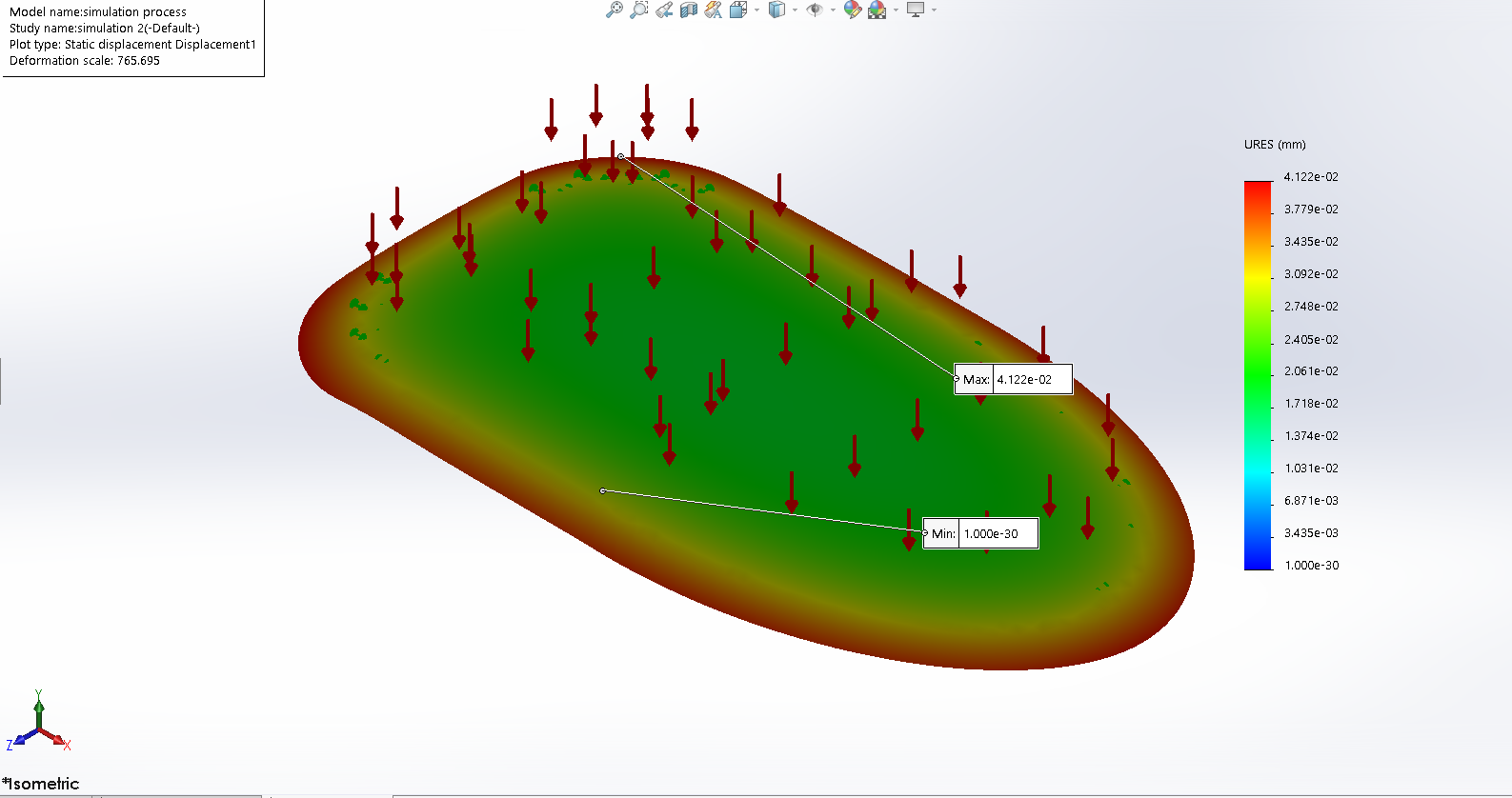
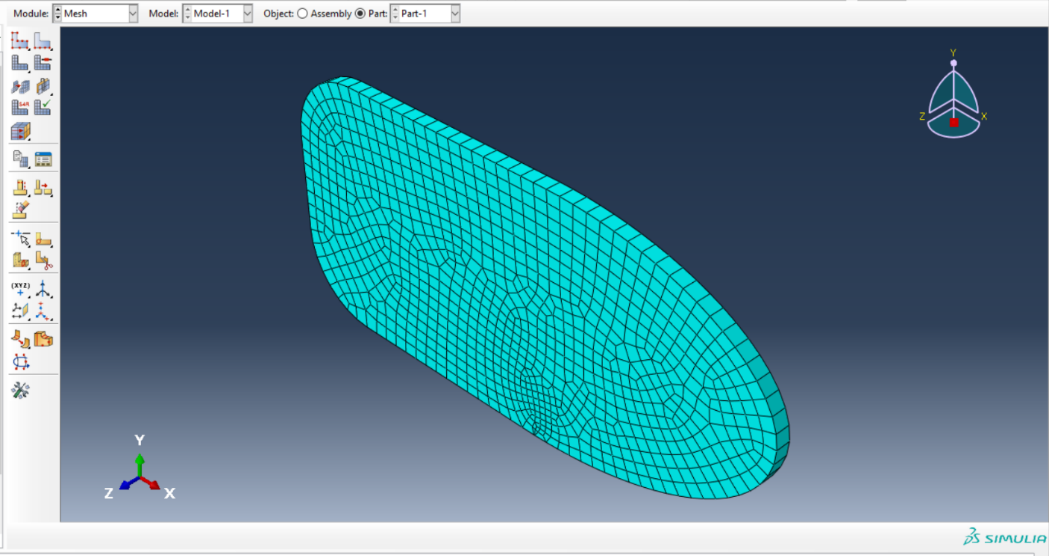
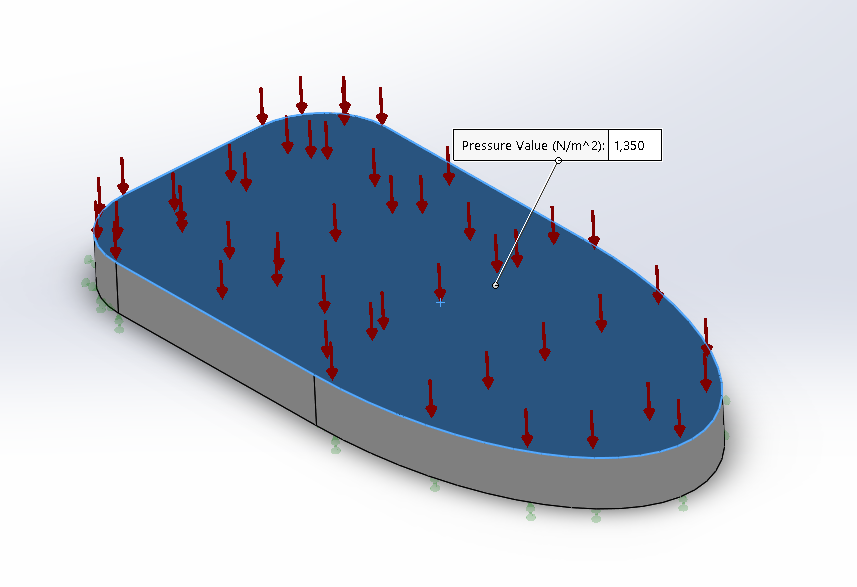
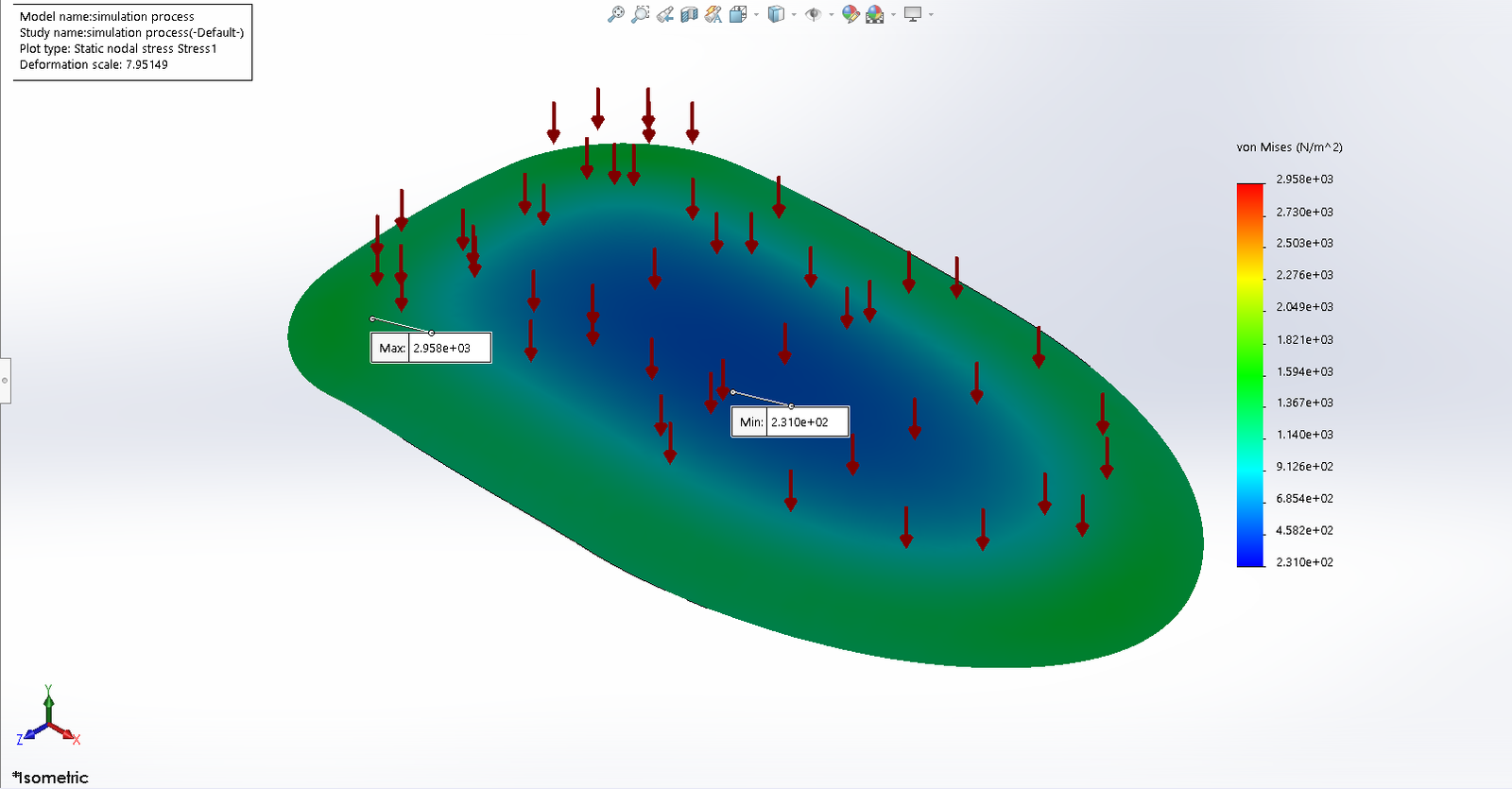
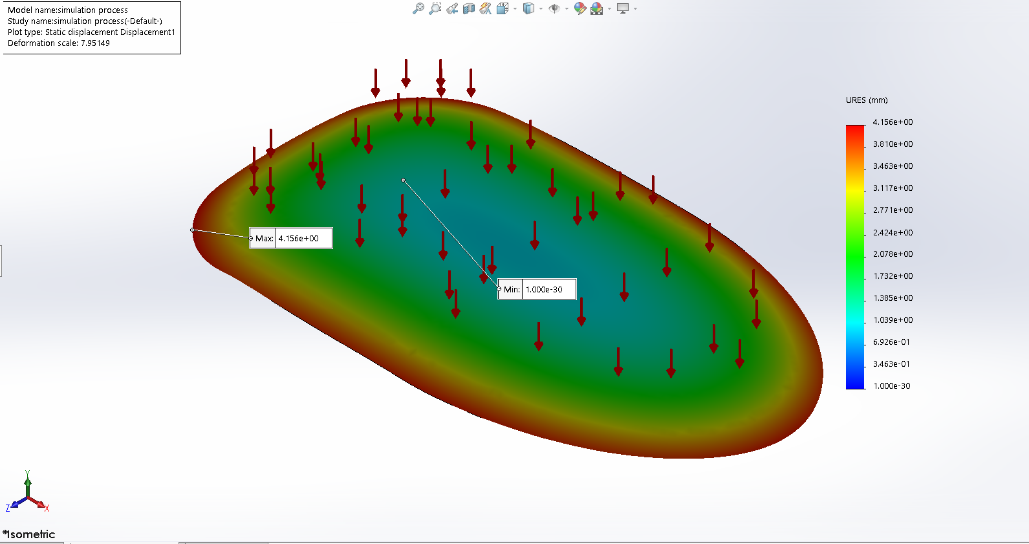
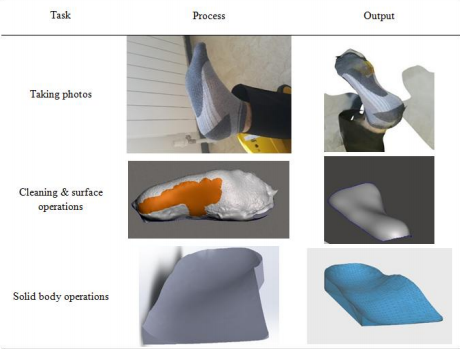
Material and displacement comparison for a shoe orthotic insole model.
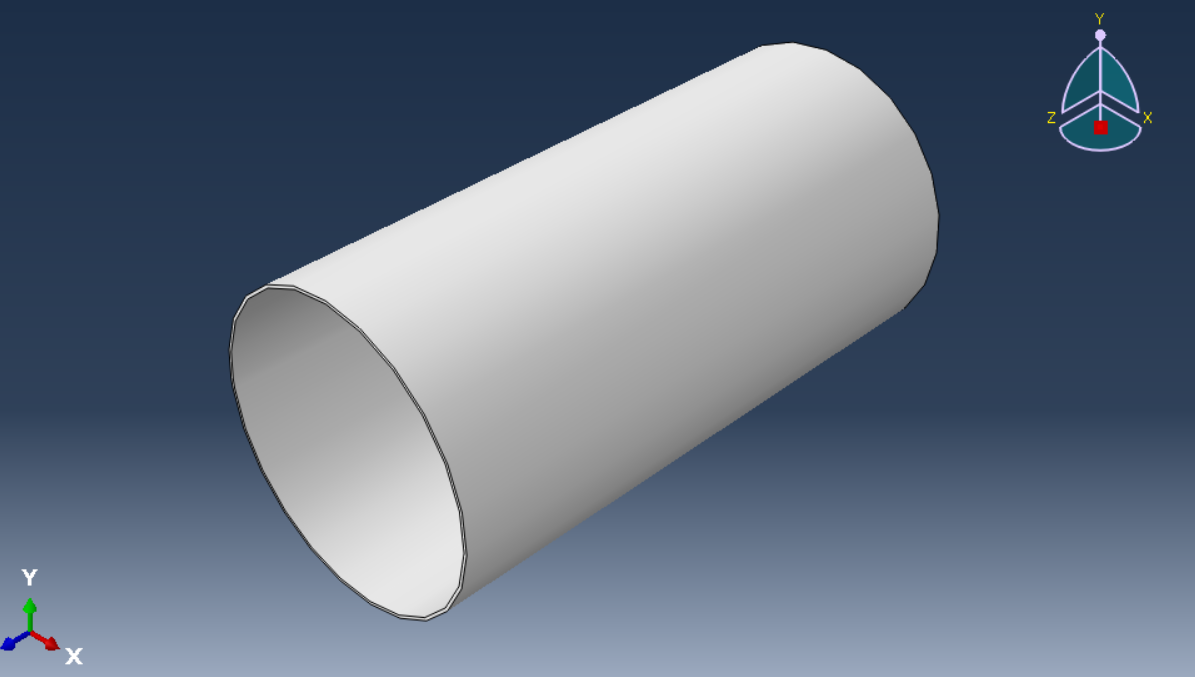
A damaged composite pipe was modelled in Abaqus to compare the structural recovery achieved by external patch repair and internal reinforcement. Stress, displacement and impact loading response were used to judge repair effectiveness.
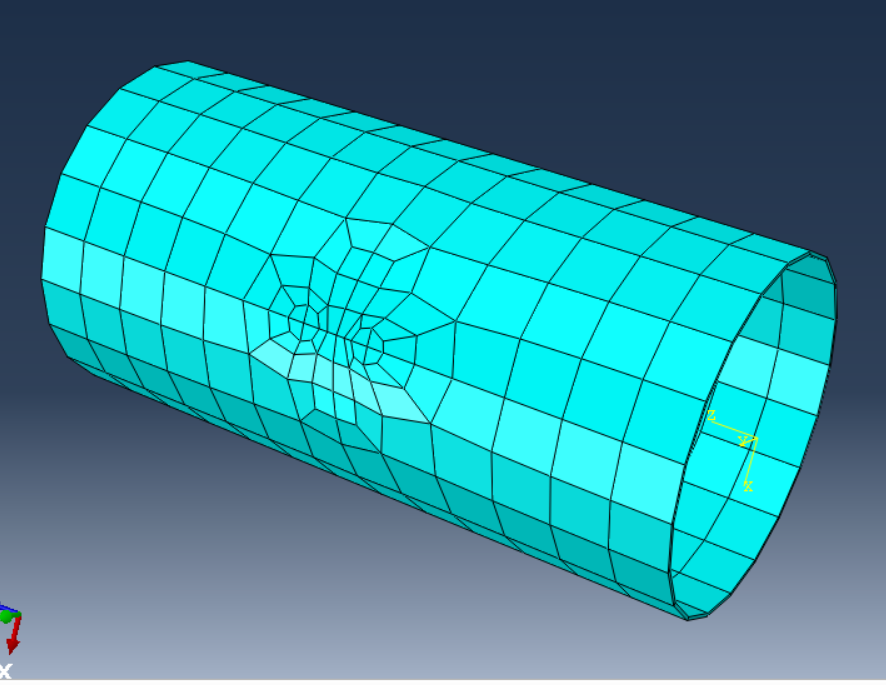
The study starts by creating the composite pipe geometry and defining the local damage region. The cracked baseline model is used to show how the defect concentrates stress and reduces load-carrying capacity.


Internal pressure, end restraints and local mesh refinement were defined around the crack. The refined mesh helps capture the high stress and deformation gradients near the damaged zone.
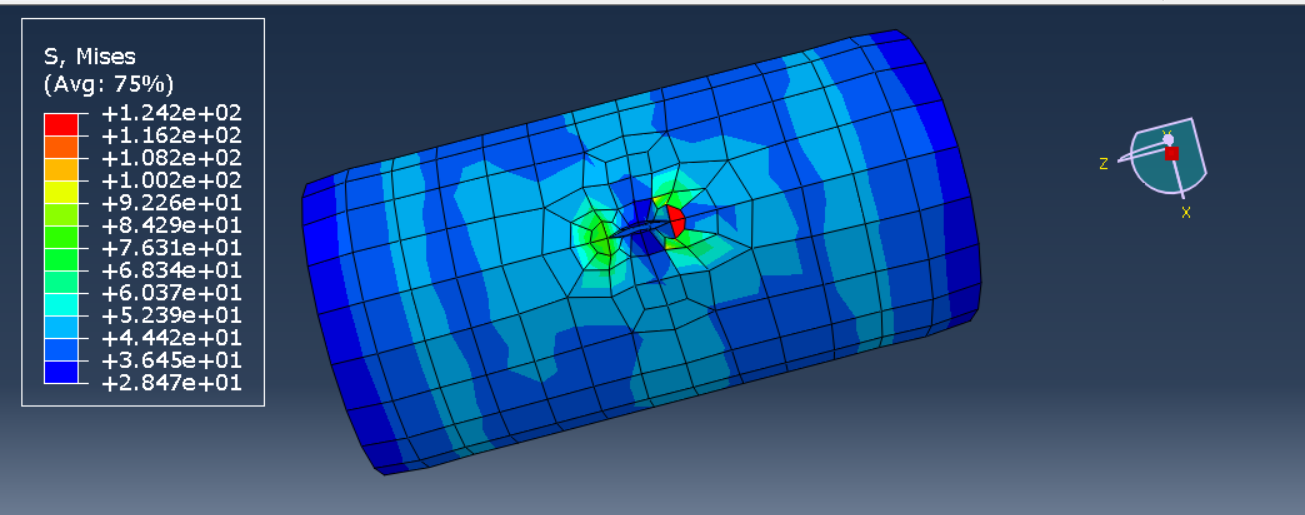
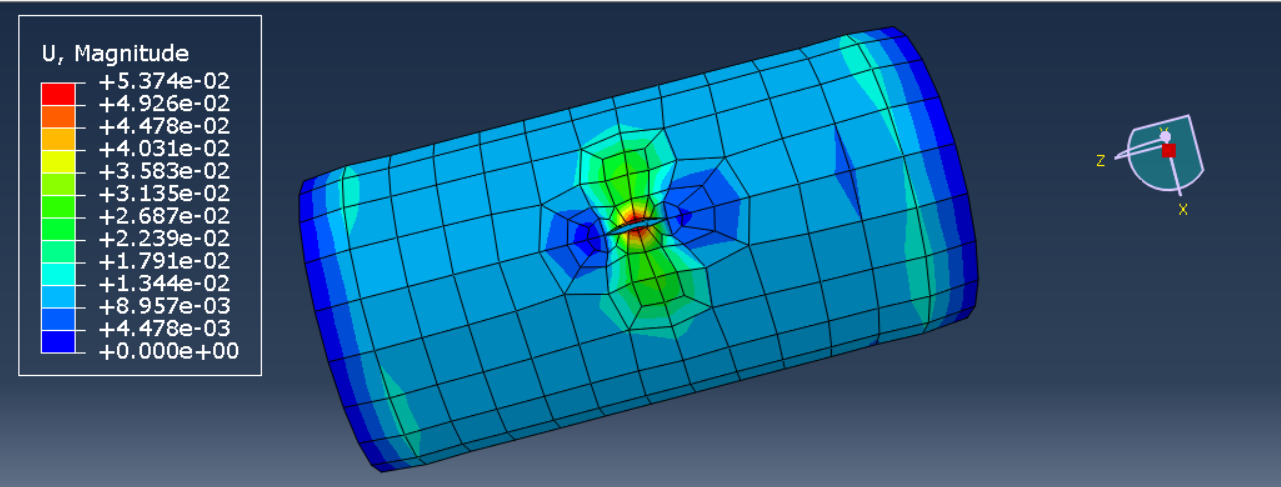
The cracked pipe produced the highest stress and displacement values, with a reported peak stress of about 1.24 × 10² and displacement around 5.37 × 10⁻². This establishes the unrepaired damage case for comparison.


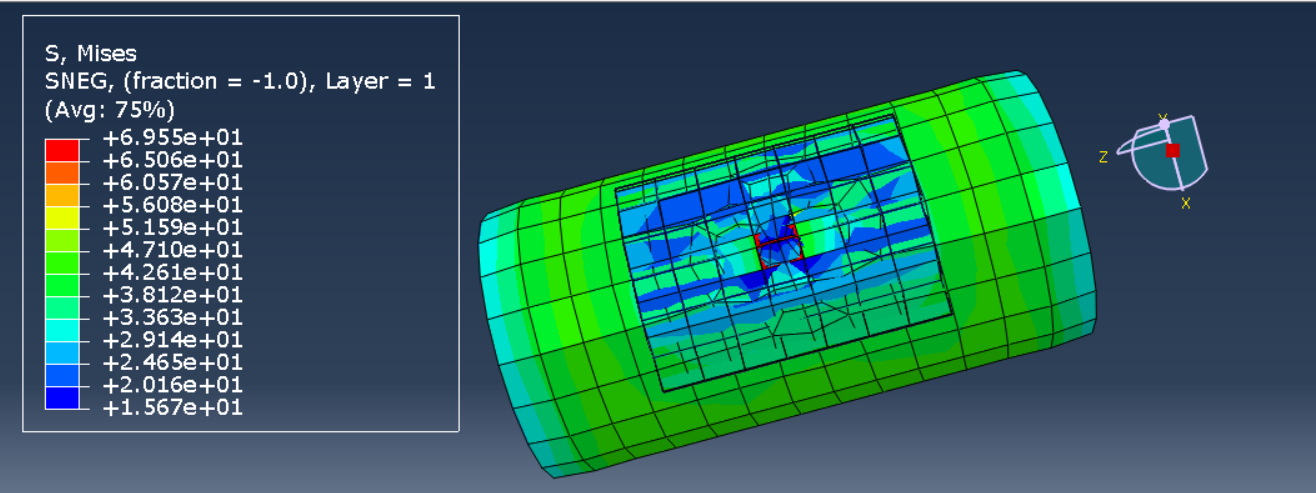
An external composite patch was bonded around the damaged region to distribute the load away from the crack. The repair reduced the peak stress to about 6.96 × 10¹ and lowered displacement to about 2.36 × 10⁻².
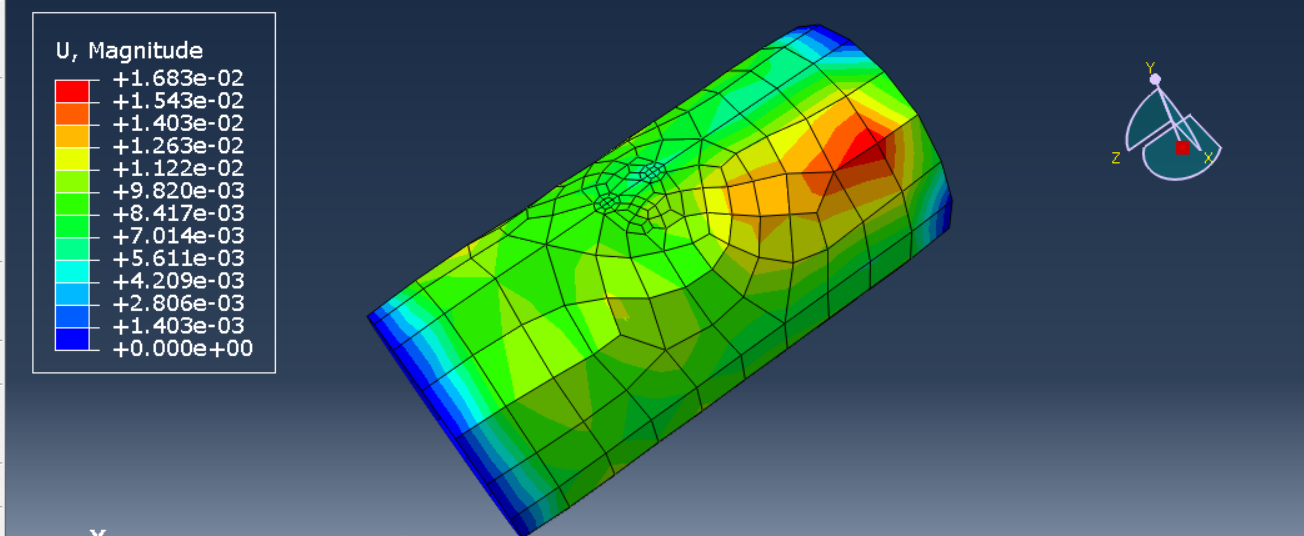
The internal reinforcement case provided the strongest recovery for crack damage, reducing stress to about 4.82 × 10¹ and displacement to about 1.68 × 10⁻². This made it the preferred solution for axial crack repair.


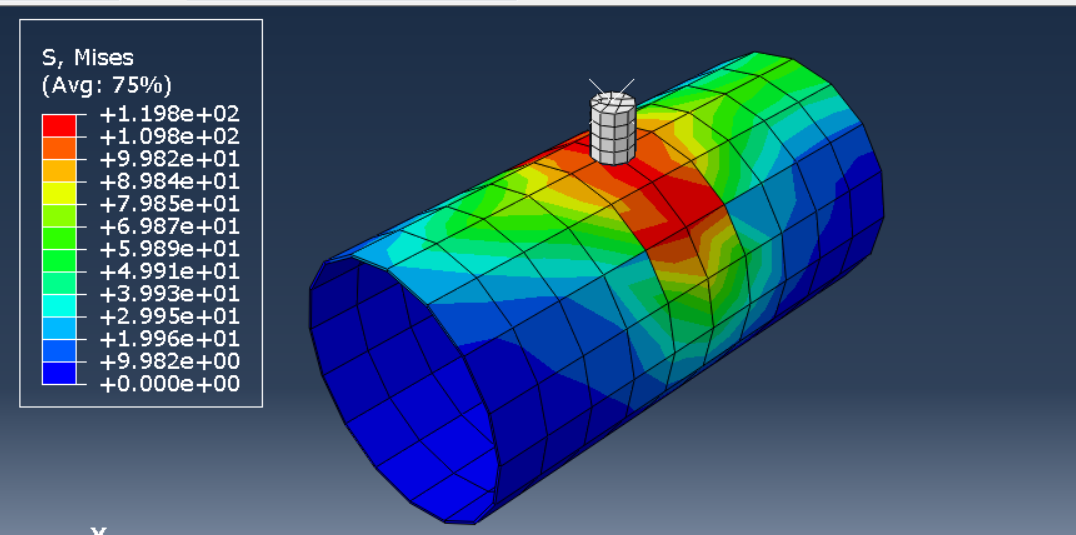
Under impact-type loading, the external patch was more suitable because it spread the contact effect over a wider surface region. The final conclusion separates the best repair choice by damage mechanism: internal reinforcement for cracks and patching for impact response.