Explore the LTspice and control-system workflow from the control and instrumentation coursework: Wheatstone bridge sensing, signal conditioning, current-loop transmission, first-order and second-order dynamics, and PID tuning.
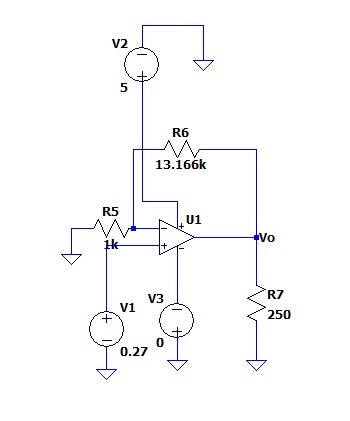
Bridge, amplifier and voltage-to-current loop simulation.
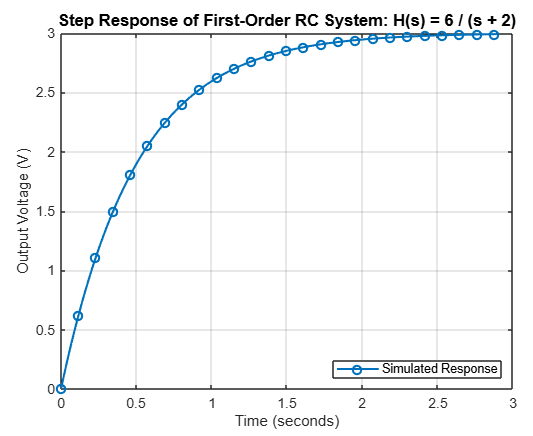
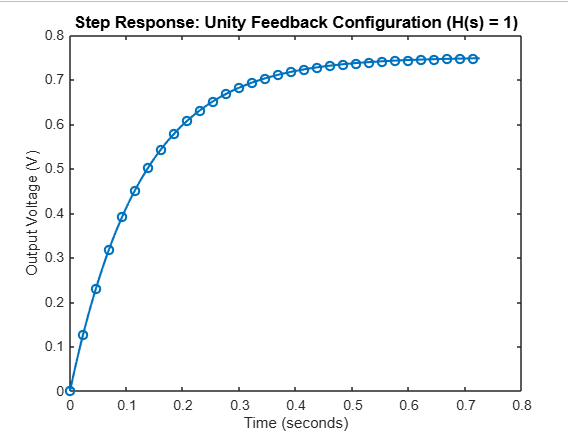
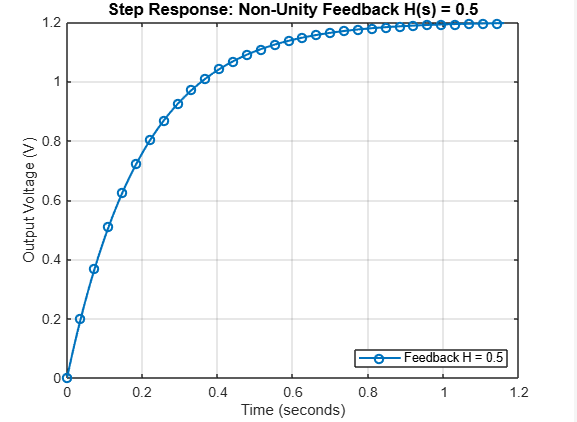
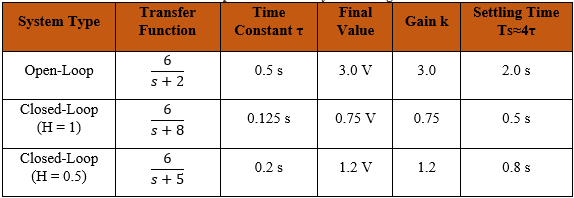
Open-loop and feedback transient response analysis.
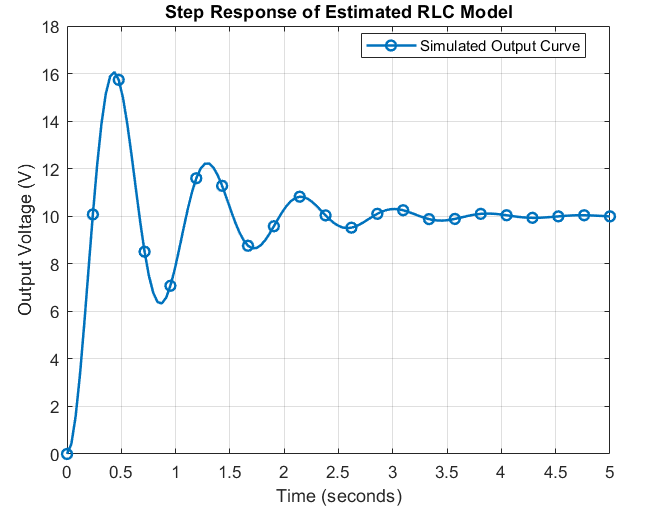
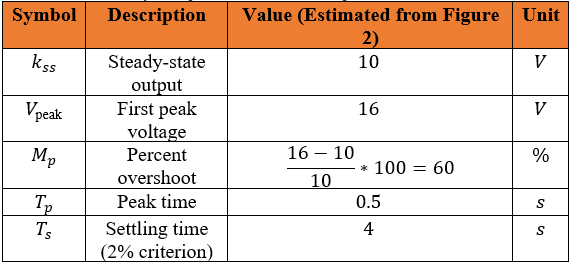
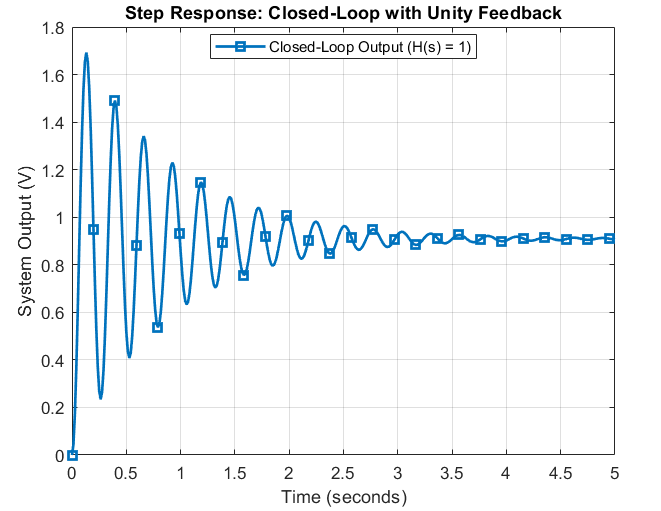
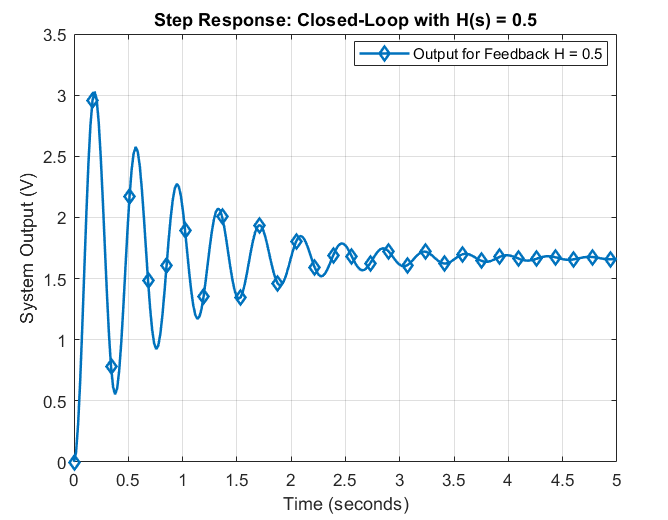
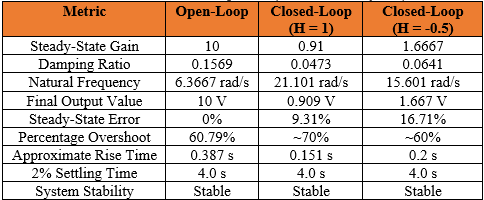
Step response, damping and feedback comparison.
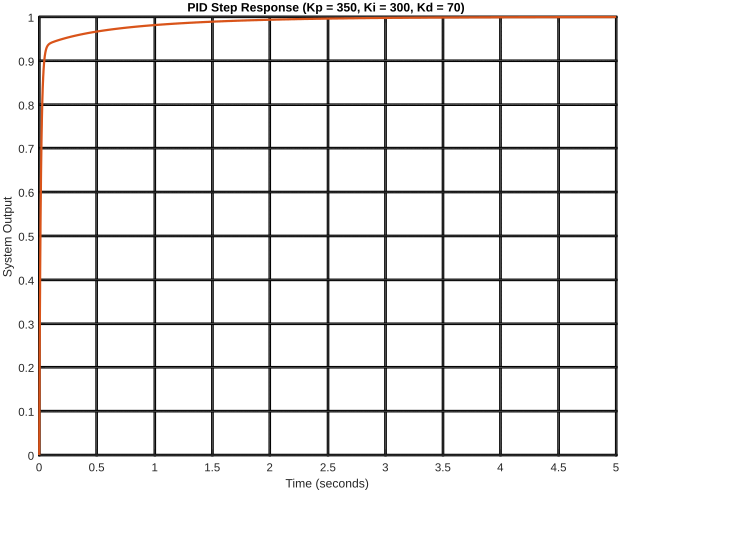
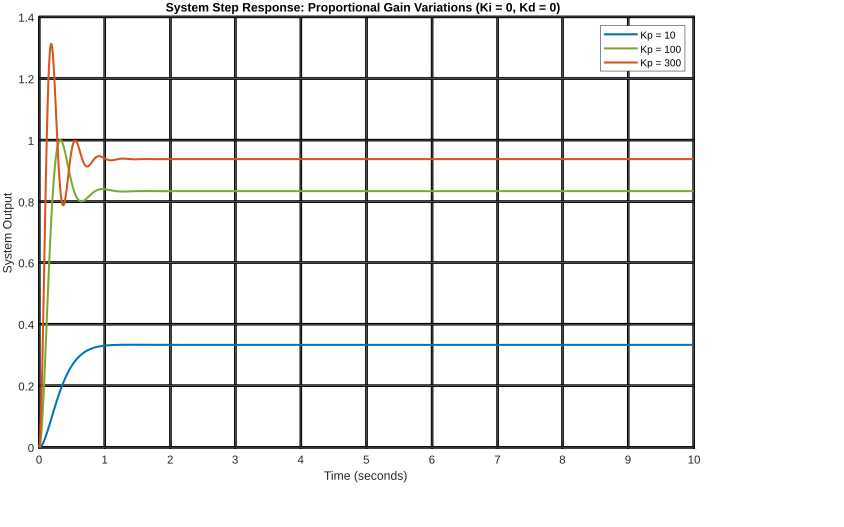
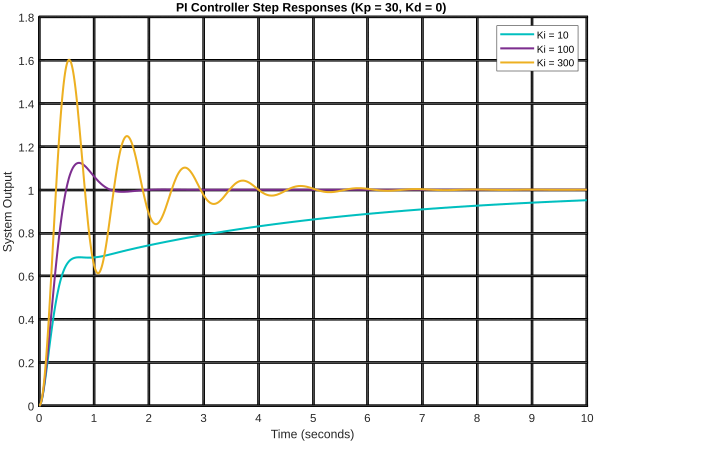
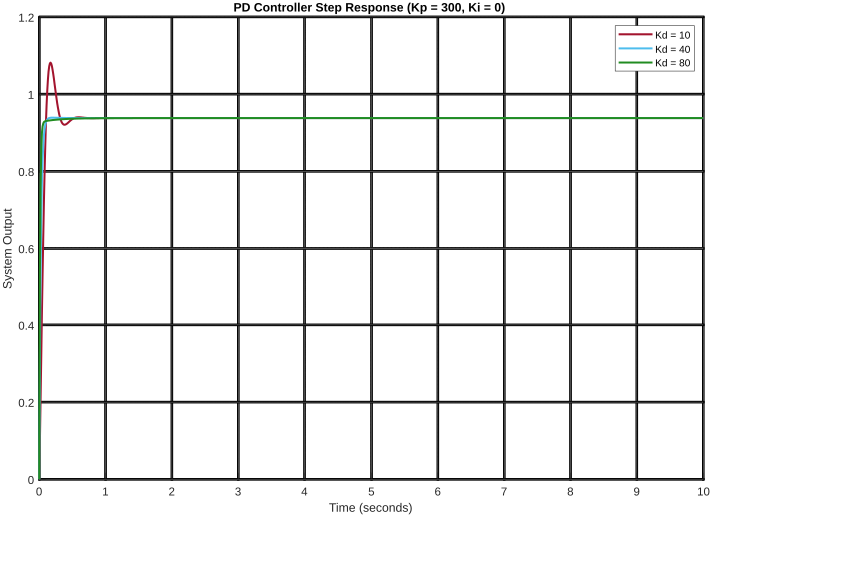
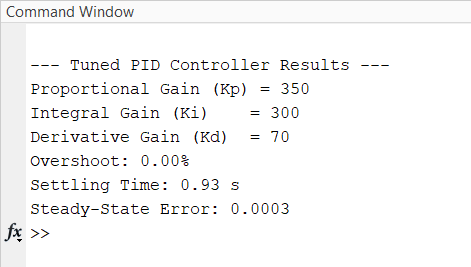
Kp, Ki, Kd comparison and final controller metrics.
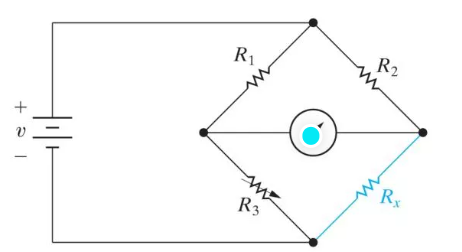
A sensor-instrumentation workflow built around a strain-gauge Wheatstone bridge, LTspice validation, signal conditioning and current-loop transmission.
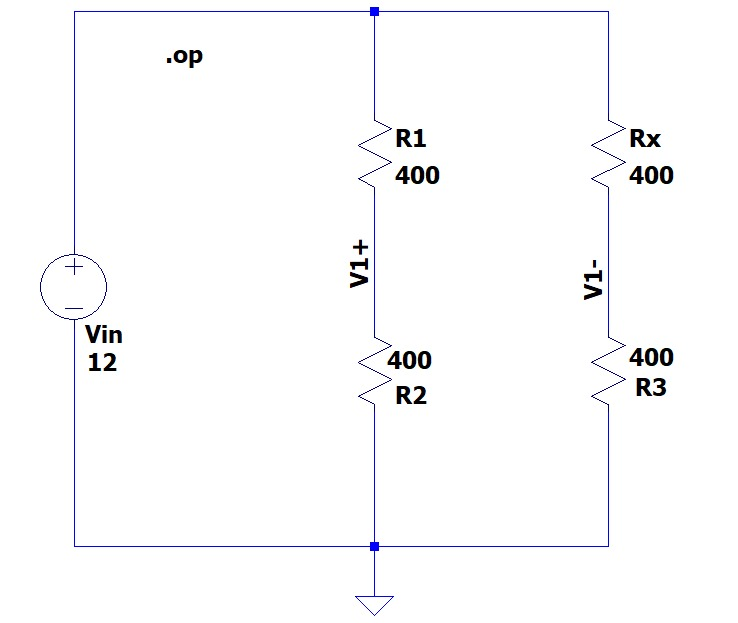
The sensing stage represents applied force as a resistance change in the strain-gauge arm of a Wheatstone bridge, converting mechanical loading into a measurable differential voltage.
The bridge was rebuilt in LTspice with a 12 V supply and simulated at representative force values. The validation table compares theoretical and LTspice output voltage.
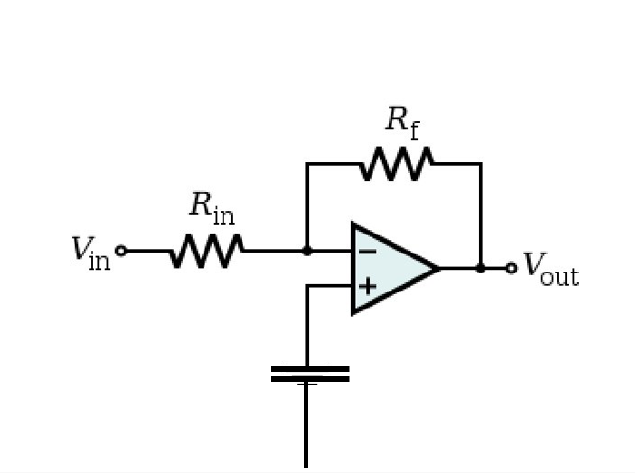
A non-inverting amplifier with gain and offset translates the low bridge output into a practical 1–5 V instrumentation signal.
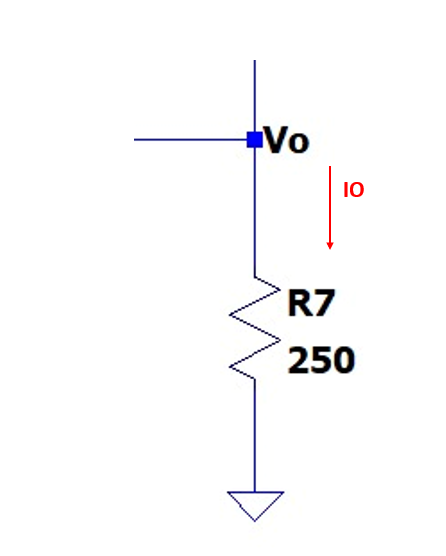
The conditioned voltage is converted into an industrial 4–20 mA signal for more reliable transmission over long cable lengths.
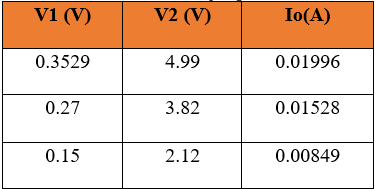
The full LTspice signal chain verifies the conversion from bridge voltage to amplified voltage and output current against the expected measurement range.